|
|
Public Fire Safety Information - Chimney Maintenance...Make It A Clean Sweep! |
| By Webmaster/Firefighter Frank Aldrich Jr. | |
| October 25, 2008 | |
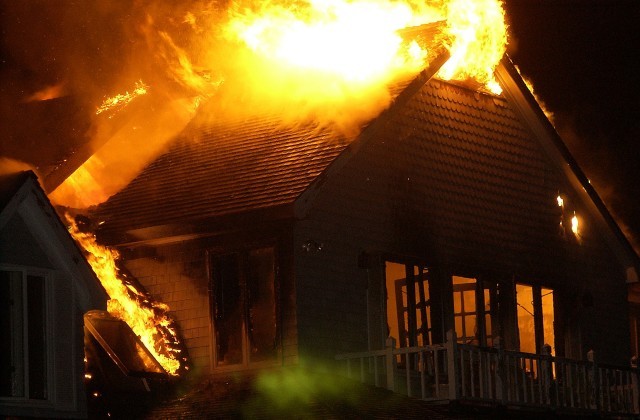
Nothing beats the ambiance and warmth of a fire in your fireplace when the air outside is chilly. However, your chimney may give you more than you bargain for if it's not properly maintained each year. Before you light that first fire log for the season, each chimney in your home should be inspected and cleaned by a qualified chimney professional. If you don't give some thought to it before you light those winter fires, your enjoyment could potentially be very short-lived. Why? Dirty chimneys can be a fire hazard. A chimney that is dirty, blocked, or is in disrepair can inhibit proper venting of smoke up the chimney and can lead to a chimney fire and/or carbon monoxide poisoning. Chimney fires can damage structures, destroy homes, and injure or kill people. Chimney fires can catch on explosively, shooting flames, and dense smoke out of the top. Or they can be slow-burning and barely noticeable until they've gotten hot enough to damage the chimney irreparably and even catch your house on fire. With a little care, chimney fires can be prevented. So you may be asking yourself, how does a chimney fire occur? As you know the wood you burn sends smoke up your chimney. The smoke isn't restricted to remain in a gaseous form. Wood smoke contains significant amounts of material that can condense on the sides of the chimney's interior. The result is a tar-like or flaky substance called creosote. Once formed the creosote remains stuck to the inside of the chimney waiting for a flame or spark to ignite it. Causes of creosote buidup include 1) slow, smoldering, smoky fires, 2) cool surfaces (e.g., the exterior of the chimney), and 3) burning unseasoned wood. To keep your home safe, follow these guidelines: 1) Maintenance - Good maintenance is a very important step in preventing chimney fires
2) Prevention - Remember prevention is your best defense against fire
3) Be Prepared - Know what to do in case of a fire
Remember...be fire smart! |
|
|
|